
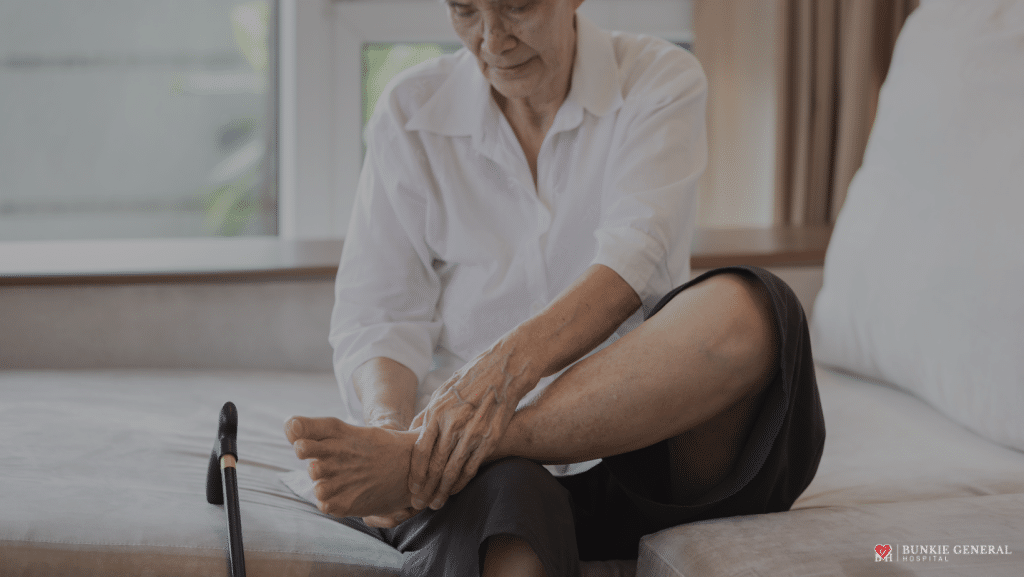
Peripheral Arterial Disease (PAD) affects more than 8 million Americans over the age of 40. This condition happens when arteries in the legs become narrowed or blocked by plaque buildup, reducing blood flow to the limbs. While PAD can occur in any artery, it most commonly impacts the legs.
PAD is a serious but often overlooked condition, and for some patients, it can lead to dangerous complications such as non-healing wounds.
Common Symptoms of PAD
Not everyone with PAD experiences symptoms, but about 1 in 4 people do. Signs may include:
Pain, fatigue, heaviness, or cramping in the legs during activity (relieved by rest)
Leg numbness or weakness
Pale, bluish, or discolored skin on the feet
Coldness in one leg compared to the other
If you notice these symptoms, it’s important to talk to your doctor. Early detection can make a big difference in treatment.
How PAD Leads to Non-Healing Wounds
When blood flow is restricted, your body struggles to deliver the oxygen and nutrients needed to repair damaged tissue. For people with PAD, this can mean:
Severe pain in the feet or toes, even while resting
Wounds that heal slowly—or not at all
Higher risk of infections in the lower legs and feet
Without proper care, these wounds may worsen and, in severe cases, lead to the need for amputation.
The Role of Wound Care in PAD
If a wound develops, specialized wound care is essential. At a wound center, the first step is often to restore blood flow to the affected area. Providers also perform a thorough lower extremity and foot evaluation to create a personalized care plan.
Our Wound Care Clinic uses both traditional and advanced therapies to help wounds heal safely and effectively. The goal is not only to treat the wound but also to address the underlying circulation issues that prevent healing.
Take Action for Better Healing
Peripheral Arterial Disease is serious—but with early treatment and the right wound care, healing is possible. If you or a loved one has PAD and a wound that won’t heal, don’t wait.
Call us today to learn how our Wound Care Clinic can help!
Contact Information
This article is for informational purposes only and is not a substitute for professional medical advice, diagnosis, or treatment. Always consult your healthcare provider with any questions or concerns about your health.